


Organizing Toys Without Sacrificing Style
Organizing Toys Without Sacrificing Style
Toys have a way of spreading throughout the house. One moment the living room is tidy, and the next it is filled with blocks, stuffed animals, books, and puzzles. Keeping everything organized does not mean giving up a stylish home. With thoughtful storage solutions and a few simple habits, families can create spaces that work for both children and adults.
A well-organized play area makes it easier for children to find what they want, encourages independent cleanup, and creates a calmer environment for everyday family life. Here are practical toy organization ideas that blend function with style.
1. Choose Furniture That Doubles as Storage
Look for furniture that serves more than one purpose.
Storage benches, cubbies, and tables with built-in compartments help reduce clutter while keeping everyday essentials close at hand. Multifunctional furniture also helps maximize smaller spaces.
A versatile Toddler Playroom Set with storage keeps favorite toys organized while complementing the overall look of your home.

2. Organize Toys by Activity
Instead of sorting everything by size, group toys by how children use them.
Keep building toys together, store pretend play accessories in one place and dedicate another area to puzzles or art supplies. This makes it easier for children to find what they need and put everything back when they finish.
Activity-based organization also encourages more focused play.
3. Keep Everyday Favorites Within Reach
Not every toy needs to be displayed at once.
Place frequently used toys on the lower shelves of a bookshelf where children can reach them independently. Less frequently used items can stay on higher shelves or in nearby storage until it is time to rotate them back into the room.
This approach reduces visual clutter while encouraging independence.

4. Use Baskets for a Softer Look
Fabric baskets and woven bins help create a warm, organized appearance.
They hide smaller toys while adding texture to the room. Choose baskets in colors that coordinate with your existing décor to create a more polished look.
Simple storage solutions often have the biggest visual impact.
5. Make Books Part of the Design
Books add both color and personality to a playroom.
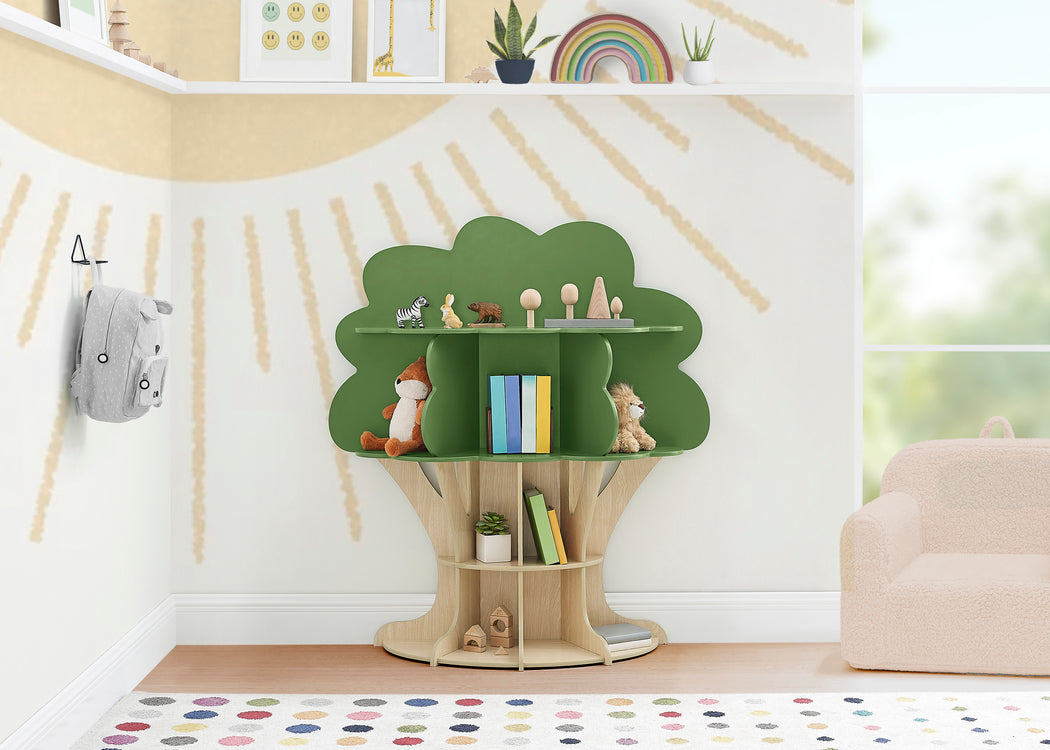
Display favorite titles with their covers facing outward or organize them by size to create an inviting reading area. Rotating books regularly keeps the display fresh while encouraging children to explore different stories.
A child-height bookcase keeps books organized while creating an attractive focal point in the room.
6. Rotate Toys Throughout the Year
Children do not need every toy available every day.
Store a portion of the collection in another closet or storage area and rotate items every few weeks. Familiar toys often feel brand new after spending time out of sight.
Toy rotation also helps reduce clutter without removing favorite activities.
7. Create a Dedicated Creative Station
Keeping art supplies together makes creative projects easier to start and easier to clean up.
Store crayons, markers, paper, stickers, and craft materials in labeled containers so children know where everything belongs.
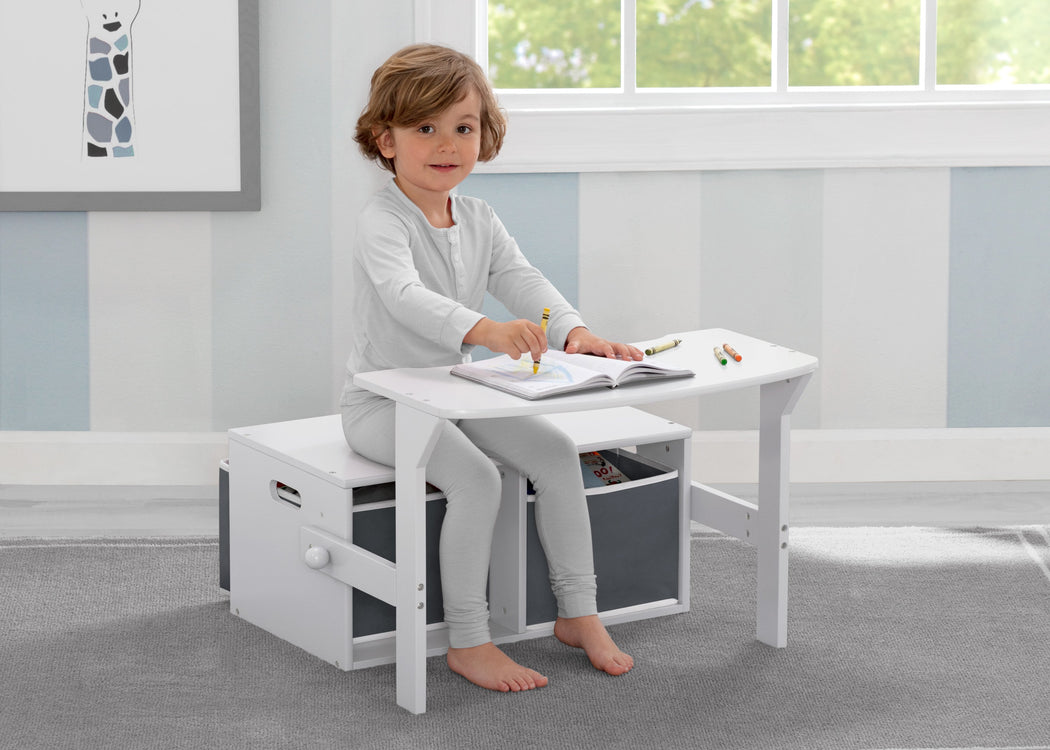
An activity table provides a designated space for arts, crafts, puzzles, and other hands-on projects.
8. Blend Play Areas into Shared Spaces
Playrooms are not the only place for toys.
If children play in the family room or living room, choose storage that complements the surrounding furniture. Neutral colors and coordinated storage pieces help toys feel like part of the room instead of temporary clutter.
Thoughtful organization keeps shared spaces welcoming for everyone.
9. Give Everything a Permanent Home
Children are more likely to clean up when every item has a clear place to belong.
Use picture labels for younger children and simple word labels for older kids. Consistent organization helps cleanup become part of the daily routine instead of a chore.
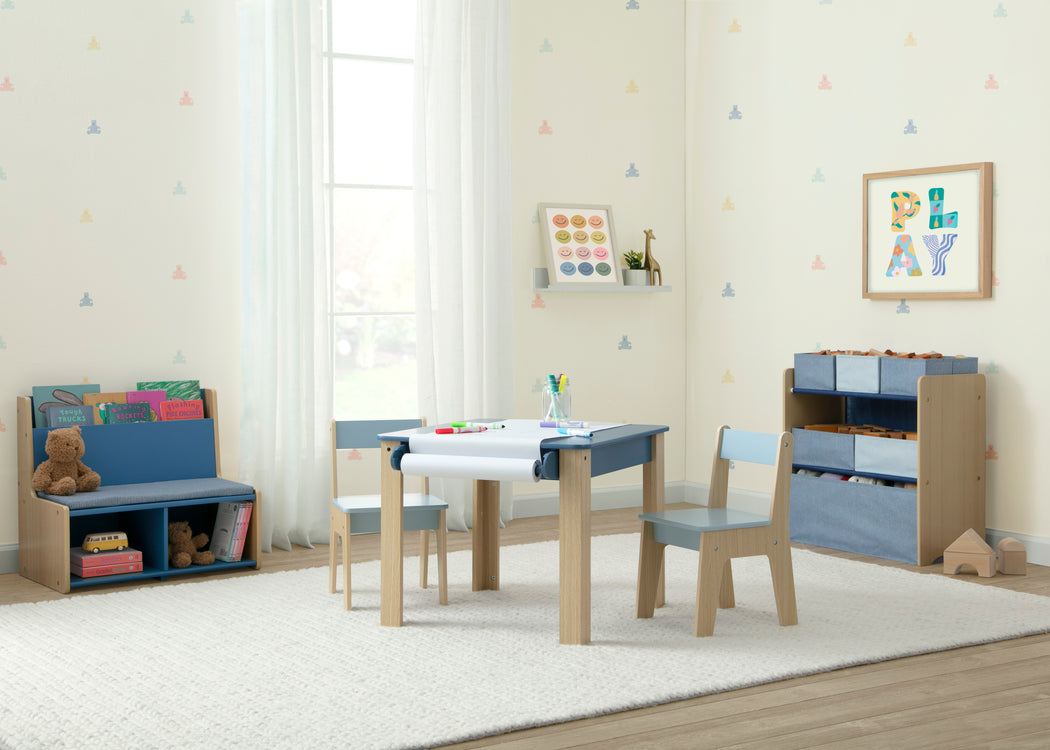
A child-sized table and chair set creates another defined area where activities stay contained and organized.
10. Leave Space for Play
Avoid filling every shelf or corner with storage. Leaving open floor space gives children room to build, imagine, and move freely while making the room feel larger and less crowded.
A foam play set is a great way to make use of open floor space. It allows children to create forts, obstacle courses, and imaginative play areas. It also keeps the room flexible for different activities throughout the day. Best of all, it's easy to organize afterwards.

A stylish home and an organized play space work well together. Thoughtful storage, toy rotation, and clearly defined activity areas help families reduce clutter without limiting creativity or fun.
By choosing storage solutions that fit your home's style and encouraging simple cleanup habits, families create spaces that support organized play, independent learning, and everyday family life.
Comments